What is Phishing?
What is phishing? Phishing is a trick that bad people use to steal your private details like passwords, bank numbers, or credit card info. They pretend to be someone you trust, such as your bank, a shop, or even a friend. In Germany, this trick is very common because so many people shop online and use apps for money. Every day, Germans check emails from Deutsche Bank or Sparkasse, and bad actors know this. They send messages that look real to make you click a link or give info. Knowing what phishing is helps you stay safe in our busy digital life here in Germany.
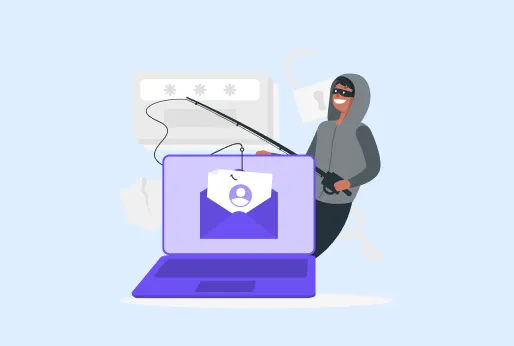
Phishing works like fishing in a lake. The bad person puts bait and waits for you to bite. The bait can be an email that says your account will close if you do not act now. In Germany, where fast trains and tight schedules keep us moving, phishing hits hard because we often check our phones quickly. The word phishing comes from the 1990s when hackers in America first used it, but today it spreads fast across Europe, and Germany is one of the top places hit and even used to send such tricks.
How Phishing Attacks Work
Let us see how these attacks happen in simple steps. First, the attacker creates a fake message. It may look like it comes from DHL or Amazon Germany. The message says your package is stuck or that you won a prize. You click the link and reach a fake website that looks exactly like the real one. Then you type your login name and password. The attacker gets it right away. In Germany, many people use online banking with TAN codes, so attackers try to steal those too.
Sometimes the message asks you to download a file that puts secret software on your computer. This software watches what you type. In busy German cities like Berlin or Munich, workers open emails fast during coffee breaks and fall for it. Attackers also use text messages now. You get a text from your mobile provider saying, ” Pay a bill or lose service. Germans who travel a lot by ICE trains often open these without thinking twice.
The goal is always the same. Steal money or sell your info on the dark web. In Germany, cybercrime costs billions of euros each year. Families lose savings. Companies lose trust. That is why understanding what is phishing matters so much for every German.
Common Types of Phishing Attacks in Germany
There are many kinds of phishing. Email phishing is the oldest. You get an email that looks official. Spear phishing is more personal. The attacker knows your name and job from social media. In Germany, this hits business people in Frankfurt or Hamburg hard.
Whaling is for big bosses. Attackers pretend to be the company head and ask the assistant to send money fast. Vishing is voice phishing. Someone calls and sounds like a police officer from Germany. They say your card is used in fraud and ask for details. Smishing is text phishing. You get a short message with a bad link.
A new type growing in Germany is quishing. You see a QR code on a parking ticket or fake sign. Scan it, and you go to a bad site. German cities have many parking spots, so this trick spreads fast. Another type is AI phishing. Computers write perfect German emails with no spelling mistakes. They even copy your writing style from old messages. In Germany, where people trust good language, this fools many.
Phishing also happens on apps like Signal. German officials and journalists got fake messages asking to link a new device. Once linked, the attacker reads all chats. This shows that phishing can hit anyone, from normal families to important people in Berlin.
Why Phishing is a Big Problem in Germany
Germany has strong internet use. Almost every home has fast broadband. Online shopping with Zalando or Otto is normal. Banks push apps for quick payments. All this makes phishing easy. Reports show Germany is among the top five countries targeted by phishing attacks worldwide. Many companies here say they face phishing every month.
In 2024, cybercrime damage in Germany reached huge numbers, with phishing as a main way in. Small shops in Bavaria lose customer data. Big car makers in Stuttgart face attacks on workers. Even government offices run tests, and many staff members click on bad links. Germans love order and trust official-looking messages, so they open them fast.
Young people in universities and older people in villages both get hit. Kids click game links. Grandparents click bank alerts. Mobile payments grow fast in Germany, so new risks come with them. Attackers from outside use German words to sound local. This makes phishing even harder to spot for regular people.
Signs That Tell You It May Be Phishing
How do you know? Look for hurry words like act now, or the account will close. Real German banks never ask for passwords in email. Check the sender address. It may say [email protected], but the real one is different. Hover over links without clicking. The real address shows. Bad links have strange spellings like amaz0n.de.
Messages with grammar mistakes are old style, but AI now makes perfect German. Still watch for odd requests. No company asks you to send TAN codes by reply. Phone calls from unknown numbers asking for personal info are red flags. In Germany, use the official number from the bank website to call back.
Websites without the green lock or https are risky. Fake sites copy logos but miss small details. If something feels wrong, trust your feeling. In Germany, we have good rules,s so always check with BSI tips.
How to Protect Yourself from Phishing in Germany
Protection is easy if you follow simple steps. Never give personal data in an email. German BSI says this again and again. Type the bank address yourself instead of clicking links. Bookmark your favorite sites like Sparkasse login.
Use strong passwords that are different for each account. Add two-factor authentication. Many German banks offer app-based confirmations. Keep your phone and computer updated. Use a good antivirus that German firms like G Data or Avira make.
Be careful with public WiFi in cafes or trains. Do not log in to banking there. Teach your family. Schools in Germany now talk about phishing in lessons. Companies run training, so workers spot tricks.
If you shop online, use a credit card, not a debit card, for better protection. Check bank statements every week. Report bad emails to your provider or the police. In Germany, you can forward suspicious emails to special addresses that BSI runs.
For businesses, use special filters that catch phishing before it reaches staff. Small firms in Germany can get help from local chambers of commerce. Everyone together makes phishing less successful.
What to Do If You Think You Were Hit by Phishing
Stay calm. First, change all passwords from a safe device. Tell your bank right away. In Germany, banks have teams for this. They can block cards fast. Report to the police online through the right portal. This helps track the bad people.
Scan your computer with an antivirus. Watch your accounts for strange activity. If identity theft happens, contact the credit agencies in Germany. They help fix records. Tell friends and family so they do not get tricked by messages using your name.
Many Germans get money back if they act fast and the bank sees it as fraud. But for phishing cases, rules are strict, so prevention is best. Learn from the mistake and share the story to help others.
FAQs
Phishing tricks people with lies instead of breaking into computers directly. It uses trust. In Germany, it often copies local banks or shops, while viruses just damage files. Both hurt, but phishing steals quietly through your own click.
It is very common. Millions of phishing emails reach German inboxes every day. Many companies report attacks each month. Private users also face texts and calls. With the growing online life in Germany, the number keeps rising each year.
It depends. If you did not give info on purpose, banks sometimes help. But strict rules mean you must prove you were careful. Quick action and a police report improve chances. Many cases get partial refunds, but not always full.
Yes, it grows fast. Texts, smishing, and app tricks like Signal or QR codes rise because we use phones all the time. German mobile payments increase, so attackers follow. Still, email stays strong, but mobile catches up quickly.
Absolutely. Kids use apps and games with links. Schools add lessons about safe internet. Parents should talk at home. Early knowledge stops problems before they start and builds safe habits for life in digital Germany.
What makes phishing different from other online dangers in Germany?
How often does phishing happen to normal people in Germany?
Can I get my money back after a phishing attack in Germany?
Is mobile phishing bigger now in Germany than email?
Do children in Germany need to learn about what is phishing?
Final Words!
What is phishing is a question every German should answer clearly. It is a smart trick to steal your private life online. But with simple knowledge and careful steps, you can stay safe. Germany has good tools from BSI and strong banks to help.
iProVPN encrypts your data for protection against hackers and surveillance. Unblock your favorite streaming platforms instantly with the best VPN for streaming.
Start Browsing Privately!