How Players Can Use VPNs to Access Sweepstakes Casinos
Key Insights
- Sweepstakes casinos have been banned in California, New York, and other states
- VPNs offer a way for players looking to access sweepstakes casinos within those states
- These casinos let you play games using Gold Coins and Sweeps Coins
There’s quite the controversy going on over in sweepstakes casino land.
Since 2024, a growing number of states in the US have started banning this new type of casino site in response to regulatory concerns.
Montana, Connecticut, New Jersey, New York, California, and others have all implemented anti-sweepstakes bans, much to the frustration of countless frustrated players.
This has unsurprisingly led to an uptick in the number of players using VPNs to continue accessing the likes of Stake.us, WOW Vegas, and Chumba Casino, with many having apps for iOS and Android players.
Anyone playing from a restricted country or state can, indeed, also use a VPN, so here’s a look at how it all works.
Using VPNs to Access Sweepstakes Casinos [Explained]
It’s the biggest trend in iGaming.
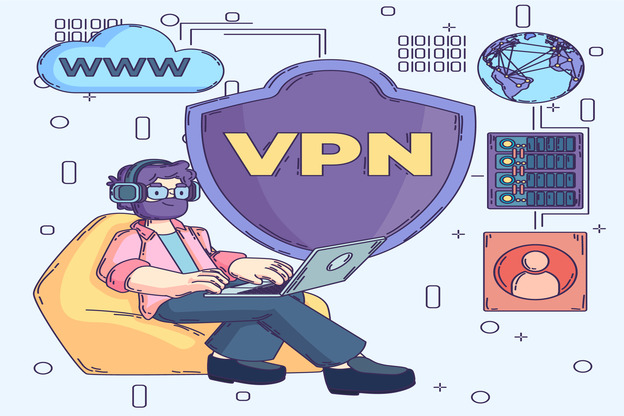
What players are now doing is using VPNs to access sweepstakes casinos, online casinos, and other restricted sites from their geographic locations.
Here’s how it works: a player signs up with a VPN so that they can browse the internet freely and hide their real IP address. This then allows them to access sweepstakes casinos from anywhere they like. For example, somebody in California might use a VPN to change their internet location to Texas and then access Stake.us or one of the other major sweepstakes casinos.
The number of states banning sweepstakes casinos is continuing to go up — with Maryland being the latest after proposing bill Senate Bill 112 — so player adoption of VPNs is only going to become more widespread in an attempt to dodge these bans.
This was to be expected, as sweepstakes casinos have been a huge hit with players for the past half-decade, offering them a free-to-play alternative to regular online casinos and the chance to still win prizes.
Millions of players have gotten hooked on this fun ‘sweepstakes’ model that so many casinos now adopt, but the problem is that these players are now getting shut out following recent state bans in the US.
VPNs are at least a short-term solution for players to use, although there’s much confusion surrounding the legality of VPNs when it comes to sweepstakes casinos and traditional gambling sites.
Do Sweepstakes Casinos Ban VPN Usage?
The tricky part about using VPNs to access sweepstakes casinos, or other types of gambling-related sites, is that the Terms and Conditions (T&Cs) of almost every sweepstakes casino strictly prohibit it.
If you take a look at any of the major operators, their T&Cs often reference VPNs not being allowed, with even the new operator Free Spins Casino explicitly stating “Using a VPN, proxy, or similar service to hide your location or provide false citizenship/residence information. Playing through a third party is also prohibited.”
Most sweepstakes casinos don’t allow players to use VPNs or other similar tools because it violates regulations and licensing. In other words, it can put the casinos themselves at legal risk, which is why they’re very much against players using VPNs or proxies. However, this doesn’t stop thousands of players from doing it every single day.
Any player caught using a VPN by a sweepstakes casino can potentially:
- Have their accounts permanently suspended
- Lose Sweeps Coins and prizes they’ve won
- Be blacklisted from other sweepstakes operators
In very rare cases, legal action can be taken, such as if a player had won a significant number of Sweeps Coins, but this is extremely rare and the most likely outcome is that your account simply gets suspended.
Are Sweepstakes Casinos Legal?
Sweepstakes casinos themselves are completely legal in over 40+ states, as well as most other parts of the world. The problem recently has been that these casinos let players bet virtual ‘Sweeps Coins’ instead of real money as a way to skate around traditional gambling laws. A growing number of states don’t like this — including California and others — which is why anti-sweepstakes casino bills are starting to be passed in big numbers.
Despite this, sweepstakes casinos remain legal in more states than regular online casinos, which is why they’re so popular with players. The issue now, though, is that recent state bans mean more players than ever are going to be relying on VPNs to get their sweepstakes fun, otherwise they’ll be completely unable to play.
Future changes to state laws could be made and it’s even possible that some states will reverse their sweepstakes casino bans if regulatory compromises can be reached, but this remains unlikely for now.
Summary
If you’re a sweepstakes casino fanatic and find yourself stuck in a state where these casinos have now been banned, you’ll notice that a lot of players are now using VPNs as a bypass method.
It’s generally advised that you’re cautious when doing this and check your sweepstake casino’s T&Cs before using a VPN in order to check what their existing policy is.
Remember, using a VPN is a safe and secure method to gain access to sweepstakes operators, but it can also lead to account suspensions if the site doesn’t allow the usage of VPNs or proxies.