Why Are Games and Apps Geo-Blocked?
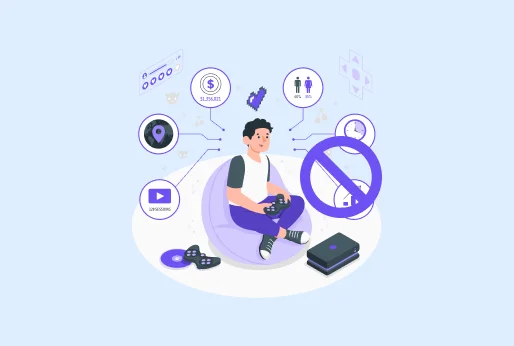
Every year, millions of users encounter the same message: “This content is not available in your region.” In 2026, geo-blocking remains one of the most widespread and misunderstood phenomena in the digital world, affecting everything from mobile games and streaming apps to online platforms and software services.
What Geo-Blocking Actually Means
Geo-blocking is a technical mechanism that restricts access to digital content based on a user’s detected geographic location, typically identified through their IP address. When a platform detects that a connection is coming from a restricted country, it automatically denies access, regardless of whether the user has a legitimate reason to view that content.
How Platforms Detect Your Location
Most platforms use IP geolocation databases that map IP address ranges to specific countries and regions. Some services go further and cross-reference GPS data, payment method origins, and device language settings to confirm a user’s location with greater accuracy.
The Main Reasons Behind Geo-Blocking
Geo-blocking does not happen arbitrarily, and understanding the real reasons behind it helps explain why simply complaining to a platform rarely produces results.
Licensing and Copyright Agreements
The most common driver of geo-restrictions is intellectual property licensing. When a game publisher sells distribution rights, those rights are almost always territory-specific, meaning a company holding rights in Germany has no legal authority to distribute the same title in Brazil.
Government Regulations and Censorship
Many countries maintain lists of banned or regulated digital content, and platforms are legally required to comply with local laws to avoid being blocked entirely within those markets. In countries like China, Russia, and Iran, entire categories of apps and games are restricted by government mandate rather than publisher choice.
Regional Pricing Strategies
Game developers frequently set different price points for different regions based on local purchasing power. To prevent users in high-price regions from purchasing through lower-price storefronts, they enforce geo-restrictions at the point of access.
Types of Content Most Commonly Geo-Blocked
Geo-blocking affects a wide range of digital categories, and the restrictions are not limited to entertainment alone.
- Online video games and game launchers restricted by regional publisher agreements
- Mobile apps unavailable in certain country-specific app store versions
- Streaming video content locked to specific territories due to broadcast rights
- Online gambling and casino platforms restricted based on local licensing laws
- Financial and payment applications blocked in regions with strict fintech regulations
Geo-Blocking by Region: A Comparison
The severity and scope of geo-restrictions vary considerably depending on the region, as the table below illustrates.
| Region | Restriction Level | Most Affected Content | Primary Cause |
| China | Very High | Games, social apps, streaming | Government censorship |
| Middle East | High | Gambling platforms, VoIP, games | Religious and telecom laws |
| Russia | High | Western game stores, social media | Political sanctions |
| Southeast Asia | Moderate | Streaming services, mobile games | Licensing gaps |
| Latin America | Moderate | Game stores, payment apps | Pricing and licensing |
How Geo-Blocking Affects Real Users
The practical impact of geo-blocking goes well beyond inconvenience and affects users’ ability to participate in global digital culture on equal terms.
Gamers Missing Out on Early Releases
Game publishers frequently launch titles in North America and Western Europe first, leaving players in other regions waiting weeks or months for the same content. In competitive gaming communities, this delay puts affected players at a significant disadvantage as strategies and meta knowledge develop during a period they cannot even access the game.
Platform Fragmentation for International Users
Users who travel frequently or relocate between countries often find that apps and games linked to their original region become inaccessible. A player who built an account in one country may lose access to their progress, purchases, and community when they move abroad.
Online Gambling Platforms and Geo-Restrictions
The online gambling industry is one of the sectors most heavily affected by geo-blocking worldwide. Platforms must obtain separate licenses for each jurisdiction in which they operate, and countries without a clear legal framework for online gambling often end up blocking access to all such services entirely.
How Licensed Platforms Handle Regional Access
Operators that hold licenses in specific jurisdictions are legally required to block users from unlicensed regions to maintain their regulatory standing. Platforms that offer bonuses such as a lemon casino promo code are typically available only to users connecting from territories covered by their active license.
Industries Most Disrupted by Geo-Blocking
Geo-blocking creates friction across a broad range of sectors, and the disruption is not evenly distributed across industries.
- Gaming industry: delayed regional launches, fragmented player bases, and region-locked downloadable content
- Entertainment streaming: library differences between countries that create unequal access to cultural content
- Online gambling: strict jurisdiction-by-jurisdiction licensing creating sharp access boundaries for players
- E-commerce: regional pricing enforcement that prevents cross-border purchasing from lower-cost storefronts
Is Geo-Blocking Going Away
Despite growing criticism from digital rights advocates and user communities, geo-blocking is not expected to decline in the near future. The trend in 2026 points toward more sophisticated location detection methods, as platforms invest in technologies that go beyond simple IP checking to include device fingerprinting and behavioral analysis.
What Users Can Realistically Do About It
The most practical and widely used solution for bypassing geo-restrictions remains a reputable VPN service that masks a user’s real IP address and routes their connection through a server in an unrestricted country.
- Use a VPN with servers in the specific country where the content or platform is available
- Choose a provider that supports WireGuard for fast, low-latency connections suited to gaming and streaming
- Enable split tunneling to keep only the relevant app running through the VPN tunnel
- Always verify that accessing geo-restricted content through a VPN complies with the platform’s terms of service and local law
How iProVPN Addresses Geo-Blocking
iProVPN offers servers in over 36 countries, WireGuard protocol support, AES-256 encryption, and a strict no-logs policy, making it a practical tool for users who need reliable access to geo-restricted games, apps, and platforms. Its Kill Switch and split tunneling features further ensure that connections remain both secure and optimised for everyday use.
Start Browsing Privately!
iProVPN encrypts your data for protection against hackers and surveillance. Unblock your favorite streaming platforms instantly with the best VPN for streaming.