Do Online Casinos Work with a VPN
Online casinos are a breeze to get into nowadays. People play from home, while on the go, or just on whatever device happens to be handy. Convenience is a big part of what makes ’em so appealing, but that ease of access also brings up questions about keeping your personal details safe and private. That’s usually when people think about getting a Virtual Private Network (VPN).
Why Players Consider Using a VPN
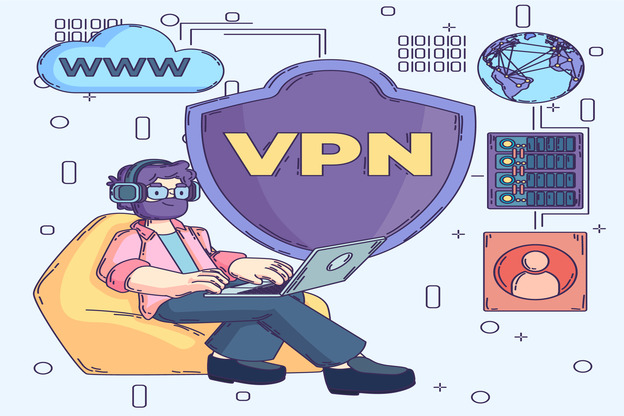
A VPN essentially re-routes the way you connect to the internet, and in the process, it encrypts the data you’re sending & receiving. This makes it much harder for anyone to track you down or snoop on your online activities by hiding your real IP address.
Players tend to think about using a VPN for three main reasons: security, privacy, and access. Security is all about protecting sensitive info like bank details. Privacy is about staying under the radar. And access is about getting to casino platforms that are blocked in your area.
That last one is where the trouble starts.
Security Benefits
Security is where VPNs really come into their own, especially when you’re playing outside of your home network. Public Wi-Fi is everywhere these days, but it’s also a gamble – do you really know who else is using that connection? Hackers often target public Wi-Fi spots, and if they can position themselves between you and the Wi-Fi network, they can intercept your data. This is known as a man-in-the-middle (MITM) attack.
If you try to log into a casino account on a dodgy public Wi-Fi connection, your login details, payments, and personal data can all be compromised. A VPN encrypts your connection so even if someone does manage to intercept it, they won’t be able to read what’s inside – all they’ll see is mangled data.
That’s pretty much the only time a VPN really feels justified when accessing an online casino.
Data Collection & Privacy
Security isn’t the only thing to worry about – there’s also the issue of being tracked.
Websites and ISPs collect data on you all the time, and over time, that data gets pieced together into a profile of who you are, what you like, where you browse, and what you spend your time on. That profile gets sold off to advertisers, but sometimes it ends up in the wrong hands too – data leaks, misuse, and spam emails or fake links all become a risk for players.
A VPN makes it harder for you to be tracked by hiding your IP address – it doesn’t make you invisible, but it does make it a lot trickier for anyone to piece together what you’re up to.
DDoS Attacks
In some live games, especially if you’re competing or playing in real-time, a stable connection is everything. That’s why distributed denial of service (DDoS) attacks can be so problematic – they flood your network with traffic, essentially forcing you offline.
If that happens in the middle of a game, it can mean losing your spot and missing out on winnings.
The good news is that VPN servers are built to handle high volumes of traffic, so they shouldn’t have any problems with a DDoS attack. And because many users share the same server, it’s a lot harder for an attacker to single you out and go after you specifically.
Where VPN Use Becomes a Problem
Despite all the security benefits, most licensed casinos have a real problem with VPNs. It’s not about security, it’s about the rules. Some casinos are only licensed to operate in specific countries, and if they take on players from other areas even by mistake, they risk getting fined or shut down.
Because of this, many casinos have VPN bans written right into their terms and conditions. Even if you’re just using a VPN to protect your personal data, you can still get flagged.
What Happens if a Casino Detects VPN Usage
If a casino does detect VPN usage, the consequences are usually pretty severe – accounts can get suspended or shut down, winnings earned while using a VPN can be taken away, and in some cases even deposited funds can be lost.
Casinos use all sorts of methods to detect VPNs, including looking up server IPs and checking for location inconsistencies. Even so-called ‘undetectable’ VPNs carry some level of risk.
Verification & Legal Complications
Licensed casinos have to verify their players through Know Your Customer (KYC) procedures – that’s submitting ID documents and proof of address. If your VPN location doesn’t match up with your documents, verification fails and you can end up with your withdrawals blocked and account suspended.
And don’t forget that using a VPN doesn’t change the laws where you live either – if online gambling is against the law where you are, a VPN won’t magically make it legal.
So, Do Online Casinos Work with a VPN?
In theory, yes – a VPN can connect to casino platforms and improve security for you. But in reality, casino policies and licensing rules often make it hard to use one without getting caught. And when they do catch you, the consequences can be pretty serious.
It’s all about understanding what the rules are and knowing the laws where you live. In most cases, playing without a VPN and sticking to the rules is probably the safer bet.